
Living in Toronto
What there is to do here
The GTA is, for most people who move here, a trade: you pay considerably more for housing than almost anywhere else in Canada, and in return you get the deepest job market in the country, transit you can genuinely live without a car on in parts of the city, and an amount of culture, food and sport that no other Canadian metro matches.
Transit
The TTC and the subway
Subway, streetcar and bus coverage dense enough that large parts of the old city are genuinely car-optional — which changes household budgets, and therefore what you can borrow.
GO Transit
Regional rail and bus linking the 905 to Union Station. Walking distance to a GO station is one of the more reliable predictors of price in the suburbs.
Parks and outdoors
The ravine system
Hundreds of kilometres of ravine and river valley threading through the city — the Don, the Humber, and the trails that follow them.
The waterfront and the Islands
The Martin Goodman Trail runs the length of the lakeshore, and the Toronto Islands are a short ferry from downtown.
High Park
The city’s largest park, with the cherry blossoms in spring that reliably shut the roads for a weekend.
Food and drink
The food
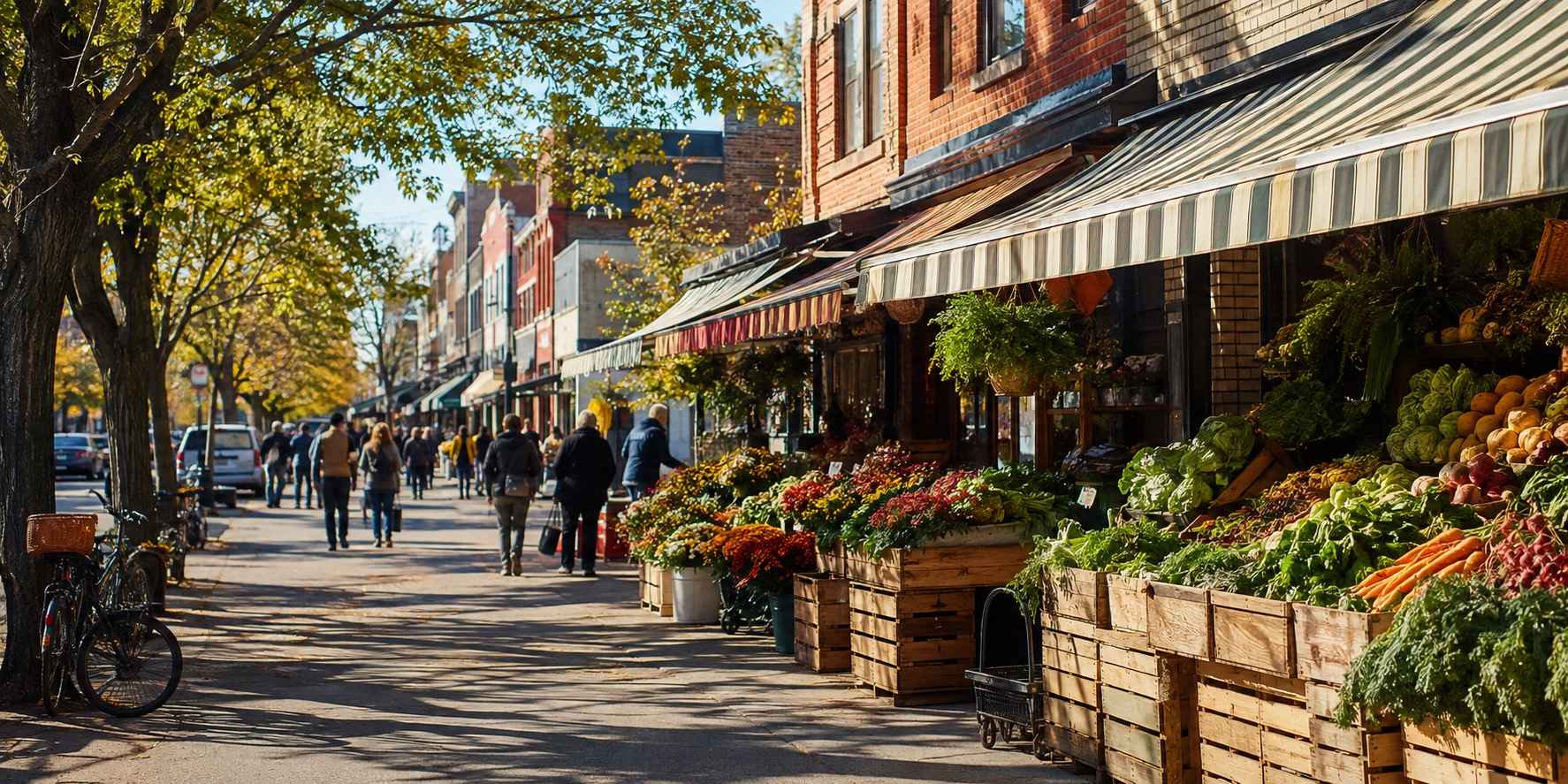
Genuinely one of the most diverse restaurant cities in the world, and the everyday grocery shopping that comes with it — Kensington, the Danforth, Gerrard, Roncesvalles, and the suburban plazas that quietly outdo the downtown restaurants.
Culture
Museums and galleries
The ROM, the AGO, the Aga Khan Museum, the Gardiner, and the TIFF Lightbox.
Live music and theatre
A dense venue circuit plus the Mirvish theatres, the National Ballet, the COC and Massey Hall.
Sport
Professional sport
The Leafs, Raptors, Blue Jays, TFC and Argonauts, most of them within a few blocks of each other downtown.
Education
Universities and colleges
U of T, Toronto Metropolitan, York, OCAD and a large college system — a genuine factor if you are buying with a view to renting a room or a suite.
Health care
Hospitals
A concentration of teaching and research hospitals downtown, plus large regional hospitals across the 905.
City life
The PATH
Thirty-odd kilometres of underground walkway beneath the financial district — which is exactly as useful in February as it sounds.
Common questions
Do I need a car in Toronto?
In much of the old city, genuinely not — the subway and streetcar network makes large areas car-optional, and plenty of households here own none. Across most of the 905 a car is close to essential, and often two. That is a real budget item, and because car payments count against your debt-service ratios, it also directly reduces what you can borrow.
How is the commute from the 905?
GO Transit is the practical answer for most people, and proximity to a station is one of the more reliable predictors of house prices in the suburbs. Driving into the core at peak times is slow and unpredictable. Households moving out for space generally organise around a GO line rather than the highway, and hybrid work has made the longer trips considerably more tolerable.
What are the winters like compared with western Canada?
Milder and shorter than the Prairies, moderated by the lake, but greyer and slushier. People moving from Alberta usually find the cold much easier and the lack of sun harder. Snow-clearing expectations and the cost of heating an older, less-insulated house are the practical things to budget for.
Ready to talk about a Toronto mortgage?
Two ways to start: book a call and we'll talk it through, or start the application online and I'll come back to you with what you qualify for. Neither pulls your credit until you say so.